


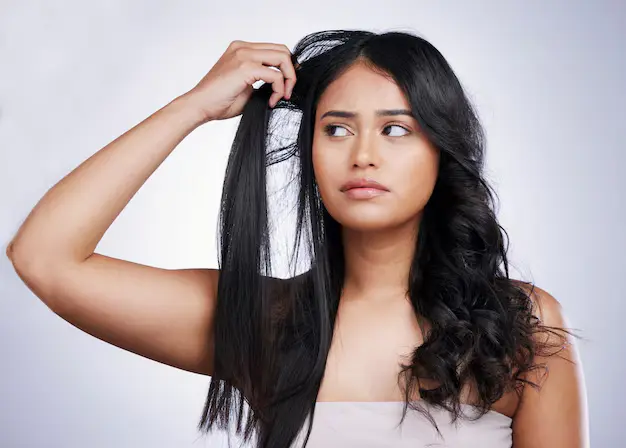
Hair loss is no longer something people talk about quietly after 40.
Across Indian cities, schools, and colleges, an unsettling change is becoming impossible to ignore: receding hairlines, thinning crowns, and widening partings on increasingly young heads. Hair loss and hair thinning—once associated with middle age—are now showing up in teenagers and young adults in their 20s and 30s.
I’ve personally spoken to many young people in their teens and early twenties struggling with this, and it is heartbreaking to hear their stories.
Medical research confirms this shift. A study published in the Indian Journal of Dermatology reported a significant rise in premature androgenetic alopecia, with nearly 30% of men showing signs before the age of 21. Several doctors and follow-up studies suggest the number may be even higher today, with close to 1 in 2 young individuals experiencing noticeable hair thinning—a figure far lower just two decades ago.
This isn’t just cosmetic
Hair loss strikes at self-esteem and impacts social confidence. The stress and anxiety that follow often worsen the problem, creating a cycle that feels hard to break. The psychological burden is immense, affecting relationships, career confidence, and overall quality of life.
The good news
For a large majority, this kind of hair thinning is preventable and reversible—if the real causes are addressed early.
Let’s walk through the five critical pillars of hair health, along with simple, practical fixes that anyone can start today.
- The gut health: You are what you (don’t) eat
- Broken sleep patterns
- The stress storm
- Scalp health
- Sunlight exposure
1. The Gut Health: You Are What You (Don’t) Eat
The connection between your gut and your hair follicles is profound. Eating has sadly become taste-centric, not nutrient-centric. Erratic meal timings, poor food choices, and nutrient deficiencies quietly starve hair follicles of what they need to grow strong. An inflamed gut can also trigger systemic inflammation, disrupting the hair growth cycle.
It is important to know when to eat and what to eat.
What’s happening today?
- Irregular meal timings and late-night binge eating
- Heavy dependence on processed and packaged food
- Skipping breakfast or eating very late
- Eating lots of sugar rich foods
- Low intake of fiber rich foods fresh vegetables, fruits, pulses
- Lack of healthy fats like ghee, coconut oil and cold pressed oils
- Crash diets in the name of fitness
Hair follicles are highly sensitive to nutrition. When digestion is weak or irregular, nutrients don’t reach the scalp efficiently, even if you’re eating “enough”. Hair thinning here is slow, silent, and progressive.
Simple three fixes: Nourish from Within
- Begin your day right: Before your morning tea or coffee, drink a glass of warm water with 1 teaspoon of amla juice with 1 teaspoon of virgin coconut oil or ghee. This supports digestion, nutrient absorption, and gut balance.
- Eat Smart, Not Less: Integrate hair-friendly foods effortlessly. Focus on ensuring your diet includes:
- Green leafy vegetables
- Seasonal fruits
- Nuts and seeds (almonds, walnuts, pumpkin seeds, sunflower seeds)
- Lentils, sprouts, and homemade dals
- Mostly home-cooked meals with balanced nutrients and cooked in non-refined oils
- Respect the Clock: Aim to finish dinner by 8 PM. If late shifts are unavoidable, opt for a light, easy-to-digest meal like a small bowl of vegetable khichdi, a lentil soup (dal), or steamed vegetables. Keep healthy snacks and nuts like pumpkin seeds, Sunflower seeds. Avoid heavy, oily, or sugary foods that disrupt gut repair during sleep. Avoid frequent outside food and junk — not forever, just reduce dependence.
2. Broken Sleep Patterns
Hair growth, repair, and hormone balance all happen during deep, timely sleep. Your body’s repair cycle happens during proper, uninterrupted sleep—skip it, and hair follicles are among the first to protest.
The “hustle culture” has normalised sleep deprivation.
Many young people:
- Sleep 3–4 hours thinking they can “manage”
- Stay glued to screens late at night
- Sleep at 2–3 AM and wake up late, assuming total hours are enough
This severely disrupts the circadian rhythm, elevates cortisol, and blocks growth hormone release.
If you fix sleep, nearly 75% of lifestyle-related hair issues improve — along with mood, focus, and energy.
Simple three fixes: Reclaim Your Night
- Sleep by 10: Prioritise sleeping by 10 PM and waking by 6 AM. This aligns with your natural cortisol-melatonin cycle. Force this rhythm for a week, and you’ll notice improved energy and reduced hair fall.
- Create a Digital Sunset: Banish screens (phone, laptop, TV) 60 minutes before bed. The blue light suppresses melatonin. Instead, try reading a physical book, simple mindful meditation or listening to calming music.
- Force the routine for one week: Signal to your body that it’s wind-down time. A warm shower, light stretching, or a few minutes of journaling can dramatically improve sleep quality. The body adapts faster than you think. Many people notice improvement in energy and hair fall within days.
3. The Stress Storm
For today’s youth, stress starts early – exam and career pressure, job insecurity, social comparison, and digital overload. Chronic stress keeps cortisol perpetually high, which can shock hair follicles into a resting (telogen) phase, leading to diffuse thinning seen months later.
When stress becomes chronic, the body releases cortisol. High cortisol:
- Pushes hair into the shedding phase
- Reduces blood flow to the scalp
- Weakens hair roots over time
Hair thinning is often the first visible sign, but stress also affects digestion, immunity, hormones, and mental health.
Simple three fixes: Disarm the Stress Response
- Breathe, Don’t Seethe: The moment you feel overwhelmed, practice Anulom Vilom (alternate nostril breathing) for just 5 minutes. Follow it with 2 minutes of deep belly breathing. This instantly calms the nervous system.
- Micro-Meditations, twice a day: You don’t need hours. Upon waking and before sleeping, sit quietly for 5 minutes, simply observing the natural flow of your breath. This trains the mind to detach from constant chatter.
- Don’t normalize stress: Stress isn’t “part of life” to accept silently – identify and isolate triggers. Write down what spikes your anxiety. Is it Instagram scrolling, a particular task, or news consumption? Consciously limit exposure to these triggers.
A clean scalp is not the same as a healthy scalp.
A healthy scalp is fertile soil for hair growth. It’s not just about washing.
Pollution, hard-water minerals like calcium and zinc, sweat, and product residue create buildup on the scalp that clogs pores, weakens follicles, and blocks nutrient flow. Many shampoos clean only the surface and strip natural oils, disturbing the scalp’s balance.
Simple three fixes: Detox and Nurture Your Scalp
- Weekly Deep Cleanse: Use hair oils that:
- Loosen buildup
- Support follicle health
- Protect against pollution
- Gently Massage, Don’t scrub hard: Oil your scalp and hair regularly. Spend 5-10minutes massaging gently into your scalp with your fingertips (not nails). This boosts circulation and ensures absorption. Do not massage with extreme pressure as it breaks and damages your hair follicles.
- Rinse Thoroughly: Use warm water after shampoo and ensure no residue is left behind. If shampoo is not cleansed properly, chemicals left behind in your hair can damage your scalp. A final rinse with cool water can help close open pores and secure follicles.
Avoid chemical-based scalp treatments and try using products as natural as possible. Use natural hair oil that breaks down pollution and mineral buildup.
Ekatvam Hibiscus Rosemary Hair Oil is designed specifically for scalp health.
5. The Sunlight Deficiency: Missing Vitamin D3
A large percentage of young Indians today are Vitamin D deficient. Indoor lifestyles, screen-heavy routines, and lack of sunlight directly affect hair health. D3 is not just for bones; its receptors are present in hair follicles and are crucial for stimulating new growth.
Vitamin D supports:
- Hair growth cycles
- Immune balance
- Scalp health
Deficiency weakens follicles and slows regrowth.
Simple two fixes: Soak in the Goodness
- Get 15 minutes of morning sunlight daily: Expose large skin areas (like your back, arms, legs) to morning sunlight (before 10 AM) for 15-20 minutes daily. This is the most natural way to synthesise D3.
- Combine it with slow breathing — this helps both stress and absorption
Genetics or hormonal impact?
A small percentage of individuals experience hair thinning primarily due to genetics or hormonal imbalances. Even then, strengthening these five pillars significantly improves outcomes and slows progression.
True hair health is a reflection of holistic well-being. It begins by nurturing your body from the inside, calming your mind, and caring for your scalp as the essential foundation. As you implement these consistent, simple changes, you’re not just working towards thicker hair, but also towards a more resilient and vibrant you.
How Ekatvam Hair Oil Helps?
You can choose to support these changes with Ekatvam Nourishing Hair Oil. It is created for holistic scalp and hair health, using only 100% natural active ingredients with high-efficacy that the scalp and hair recognise and accept easily. The blend gently detoxes the scalp, improves circulation, and provides essential nutrients that support stronger hair over time.
The essential oils in Hibiscus Rosemary Hair Oil also help ease daily stress and support deeper, more uninterrupted sleep — an important part of natural hair repair. With regular use, it helps protect the scalp from hard water minerals, pollution, and everyday buildup that slowly weakens follicles. The oil works in harmony with the body’s natural rhythm, supporting steady, long-term hair health without forcing quick or artificial results.
Your hair is not failing you.
It’s trying to tell you something.
Hair thinning is often a signal — listen to it and act in simple ways.


